What is PTSD?
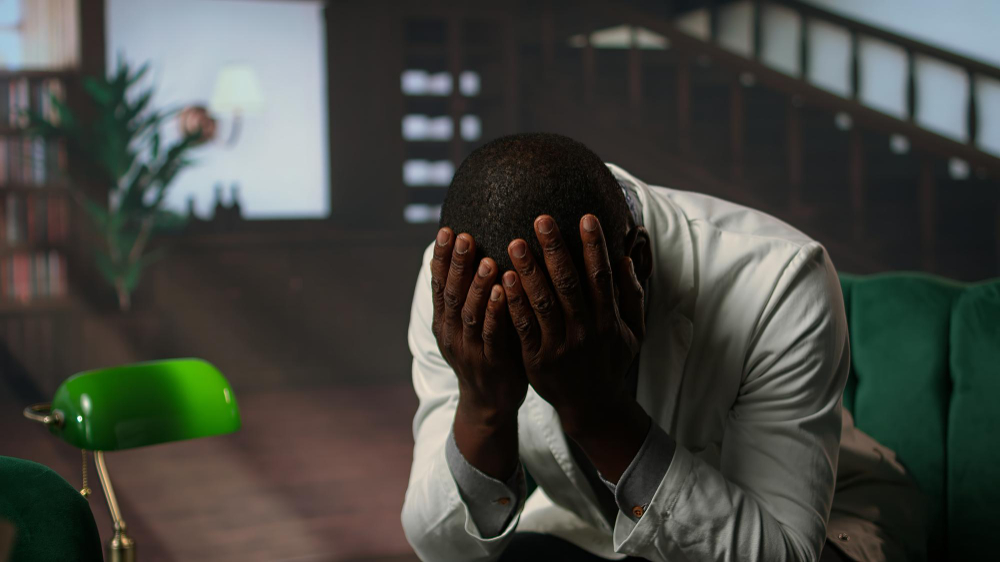
Post-Traumatic Stress Disorder, or PTSD, is a mental health condition. It can happen after someone experiences or witnesses a scary or dangerous event. Healing PTSD is a journey, not just about surviving. Instead, it is about finding ways to feel better and regain control. Many people with PTSD feel anxious or have upsetting memories. However, with the right help, recovery is possible.
Common Symptoms of PTSD
PTSD can look different for each person. Yet, some symptoms are common. Recognizing these signs is the first step toward healing PTSD and starting PTSD recovery steps.
Sometimes, these symptoms may come and go. But if they last for more than a month, it is important to seek help.
Causes and Risk Factors
Anyone can develop PTSD. Still, some factors make it more likely. For example, people who have lived through war, accidents, abuse, or natural disasters are at higher risk. But not everyone who faces trauma will get PTSD. Other risk factors include:
Even so, healing PTSD is possible with the right care and support.
Diagnosis and When to Seek Help
If you notice PTSD symptoms in yourself or a loved one, it is important to act early. For instance, if symptoms last more than a month or disrupt daily life, consider seeing a doctor or mental health specialist. They will ask about your symptoms and experiences. Sometimes, they may use special questionnaires. Early diagnosis helps start PTSD recovery steps sooner. Remember, seeking help is a sign of strength, not weakness.
Effective Treatments for PTSD
There are many ways to treat PTSD. Most people need a mix of treatments. According to the CDC and WHO, these are proven options:
With time and support, overcoming trauma and mental health healing is possible. Your doctor will help you choose the best plan.
Steps Toward Healing: Practical Tips
Healing PTSD takes time, but small steps can help. Here are some practical tips to support your PTSD recovery steps:
Above all, be patient with yourself. Healing is a journey, not a race.
Prevention and Coping Strategies
While it is not always possible to prevent PTSD, some steps can lower your risk. For example, after a traumatic event, try to talk about your feelings with someone you trust. Early support can make a big difference. Other coping strategies include:
Even though recovery can be hard, these steps can help you move forward.
Support Systems and Resources
Support is key for healing PTSD. Many people find help through family, friends, or support groups. In addition, there are many resources available:
If you live in a city or region, look for PTSD support in your area. Many communities offer free or low-cost help. Remember, you are not alone on this journey.
If you or someone you know is struggling with PTSD, consult a mental health specialist Dr. Sailaja Pisapati for personalized guidance.