What is a Learning Disability?
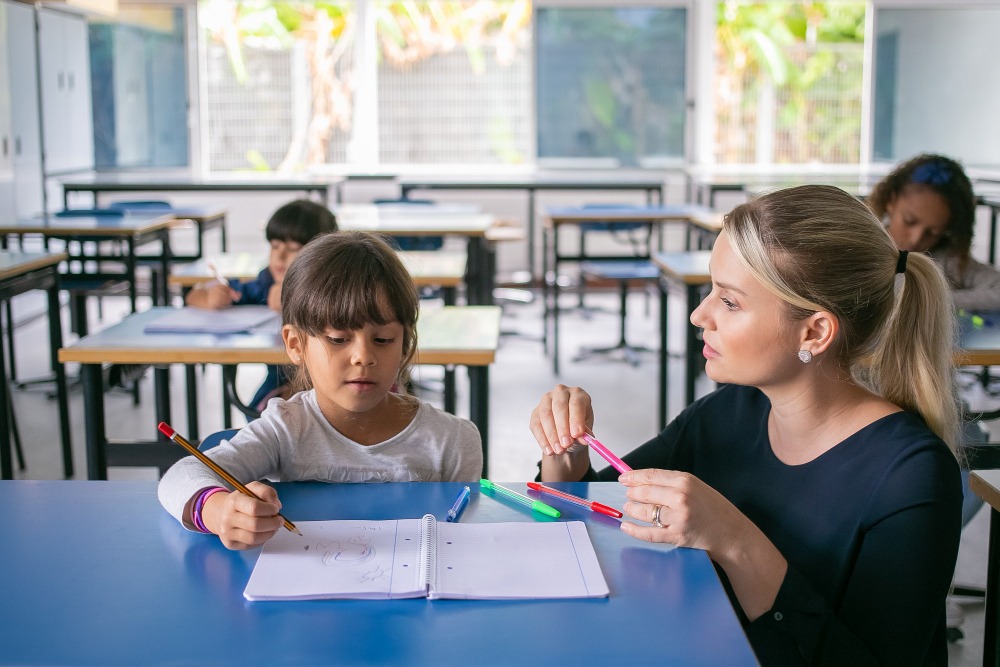
A learning disability is a condition that affects how a person learns new things. It can make reading, writing, or math harder than usual. For example, some children may struggle to read even though they try their best. Others may have trouble understanding spoken words or following directions. However, learning disabilities are not caused by low intelligence or lack of effort. According to the CDC, about 1 in 5 children in the United States has a learning disability. Early support can help children and adults manage these challenges.
Common Symptoms of Learning Disability
Learning disabilities can look different in each person. Still, there are some common signs of learning disability to watch for. Early signs often appear in childhood, but sometimes they are not noticed until later. For instance, a child may have trouble with reading or spelling. Others may find math or writing difficult. Here are some symptoms to look for:
Sometimes, these signs may be mild. But if they last or get worse, it is important to seek help.
Causes and Risk Factors
Learning disabilities have many possible causes. In many cases, the exact cause is not known. However, experts believe that both genetics and environment play a role. For example, a child with a family history of learning disabilities may be more likely to have one. Other risk factors include:
Although these factors can increase risk, not all children with them will develop a learning disability.
How Learning Disabilities are Diagnosed
Diagnosing a learning disability involves several steps. First, teachers or parents may notice signs of learning disability. Next, a specialist, such as a psychologist, will do a full evaluation. This may include:
After the tests, the specialist will explain the results. If a learning disability is found, they will suggest support options.
Treatment and Support Options
While learning disabilities cannot be cured, many support options can help. With the right help, people with learning disabilities can succeed in school and life. Some common support for learning disabilities includes:
In addition, teachers and parents can work together to create a learning plan. This plan should focus on the child’s strengths and needs.
Tips for Living with a Learning Disability
Living with a learning disability can be challenging. However, there are ways to make daily life easier. Here are some helpful tips:
Remember, everyone learns at their own pace. With support, people with learning disabilities can reach their goals.
Prevention and Early Intervention
Although not all learning disabilities can be prevented, early intervention can make a big difference. For example, regular check-ups during pregnancy can lower some risks. Also, reading to children and playing learning games can help their development. If you notice signs of learning disability early, talk to a doctor or teacher. Early support can improve learning and confidence.
Frequently Asked Questions
If you have concerns about learning disability, consult Dr. Sailaja Pisapati for personalized guidance on learning disabilities.