What Is the Trauma Brain?
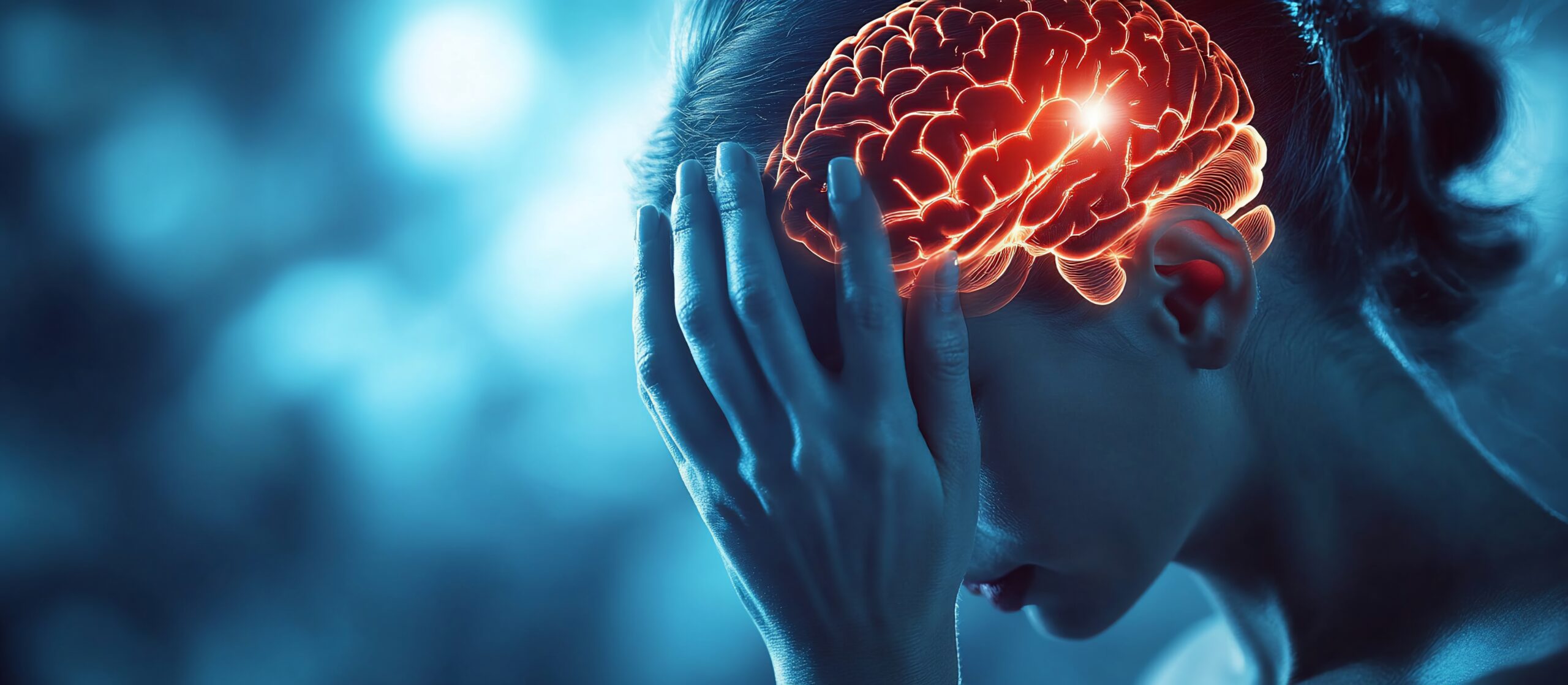
The term “The Trauma Brain” describes how the brain changes after a person experiences trauma. Trauma can be a single event or ongoing stress. For example, accidents, abuse, or disasters can all cause trauma. When this happens, the brain may react in ways that affect thoughts, feelings, and actions. Because of these changes, people may notice new symptoms or behaviors. The trauma brain is not a disease, but it is a real response to stress. Understanding the trauma brain helps people find the right support and healing.
Common Symptoms and Signs
After trauma, the brain may show signs that are easy to notice. However, symptoms can be different for each person. Some common trauma brain symptoms include:
Sometimes, people may also feel sad or hopeless. In addition, they may avoid places or people that remind them of the trauma. If these symptoms last for weeks or months, it is important to seek help.
Causes and How Trauma Affects the Brain
Trauma can come from many sources. For instance, it may result from violence, accidents, natural disasters, or ongoing stress at home. When trauma happens, the brain’s stress system becomes very active. As a result, certain brain areas, like the amygdala and hippocampus, may change. These changes can make it hard to manage emotions or remember things. Over time, the brain may stay in “alert mode,” even when there is no danger. This is why people with trauma brain often feel jumpy or worried. According to the CDC, childhood trauma can have long-term effects on brain health.
Diagnosis and Assessment
Doctors and mental health professionals use questions and tests to check for trauma brain symptoms. First, they may ask about past events and current feelings. Next, they might use simple checklists or interviews. Sometimes, they may suggest brain scans, but these are not always needed. The main goal is to understand how trauma affects daily life. Early diagnosis can help people start healing from trauma brain sooner.
Treatment Options and Therapies
There are many ways to treat the trauma brain. Most people benefit from talking therapies, such as:
In some cases, doctors may suggest medicine to help with sleep or mood. However, therapy is often the main treatment. Healing from trauma brain takes time, but many people improve with the right care. The World Health Organization recommends early support and ongoing therapy for best results.
Lifestyle Tips for Coping and Recovery
Along with therapy, healthy habits can help the trauma brain heal. For example, you can try these tips:
Additionally, avoid alcohol or drugs, as they can make symptoms worse. Remember, small steps can lead to big changes over time.
Prevention and Support Resources
While not all trauma can be prevented, strong support can lower the risk of long-term effects. For instance, schools and workplaces can offer safe spaces and mental health programs. If you or someone you know needs help, many resources are available:
Early support can make a big difference in healing from trauma brain. You are not alone, and help is always available.
In summary, understanding the trauma brain is the first step toward recovery. If you notice symptoms or need support, consult a mental health professional for personalized guidance on trauma recovery. Struggling with the effects of trauma? Understanding your brain is the first step to healing.
Get expert guidance from Dr. Sailaja Pisapati.
Book your consultation today for clarity and the right care.