
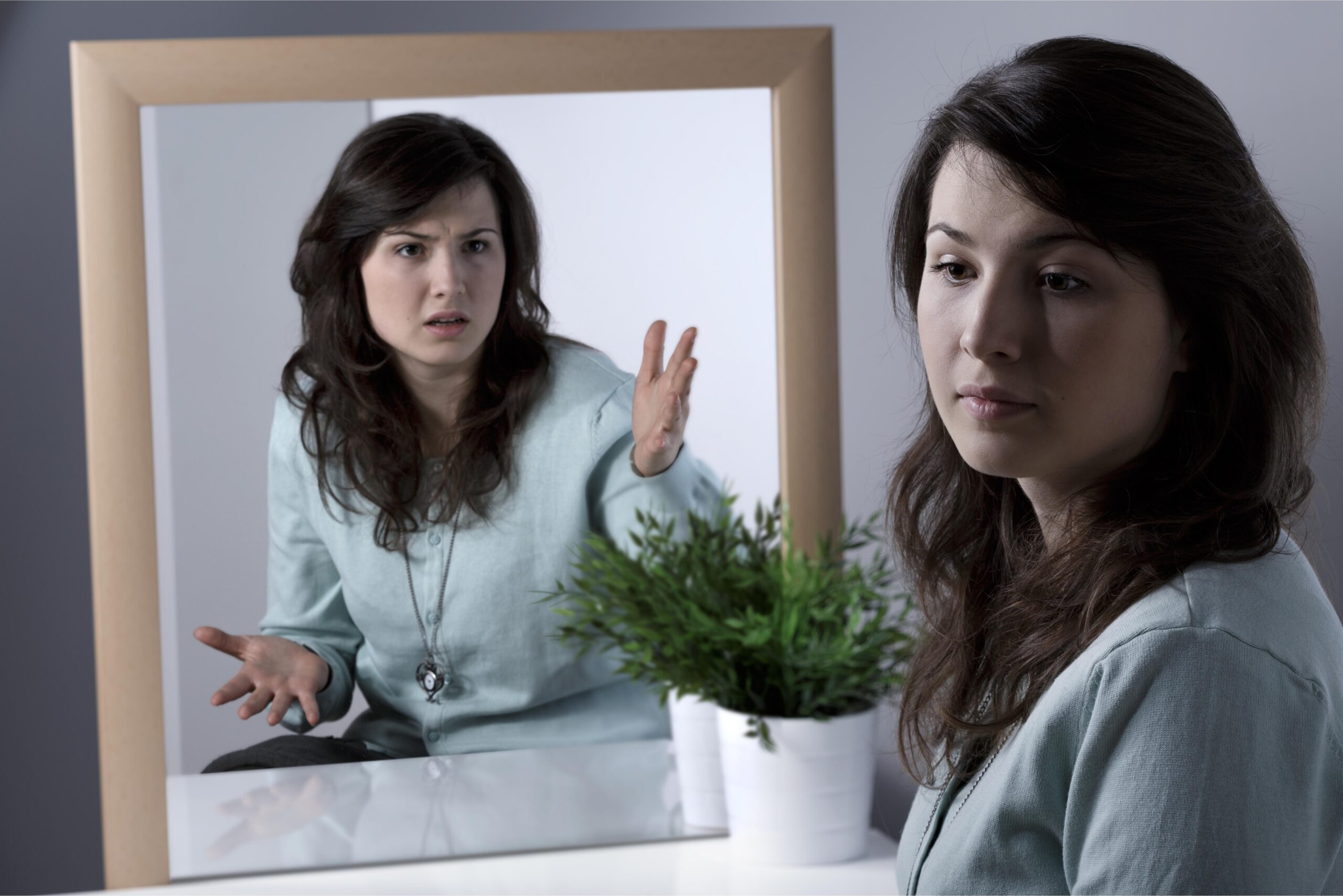
Introduction to BPD and Bipolar Disorder
Many people wonder about the difference between borderline personality disorder vs bipolar. Both conditions affect mood and behavior. However, they are not the same. Understanding these differences can help you or a loved one get the right support. According to the World Health Organization (WHO), both BPD and bipolar disorder are serious mental health conditions. But, their symptoms and treatments are different.
Primary Symptoms of BPD vs. Bipolar
Both BPD and bipolar disorder can cause mood changes. Yet, the way these changes happen is not the same. Let’s look at the main symptoms of each condition.
Symptoms of Borderline Personality Disorder (BPD)
Symptoms of Bipolar Disorder
Key Differences Between BPD and Bipolar Disorder
At first, BPD and bipolar disorder may look similar. However, there are clear differences. For example, mood swings in BPD are often short and triggered by events. In contrast, bipolar mood changes last longer and may not have a clear cause. Here are some key points:
Because of these differences, it is important to get a proper diagnosis.
Causes and Risk Factors
Both conditions have several causes and risk factors. However, they are not fully understood. For instance, genetics can play a role in both BPD and bipolar disorder. But, life experiences matter too.
Still, not everyone with these risk factors will develop either condition.
How Diagnosis Is Made
Getting the right diagnosis is key. Mental health professionals use interviews, checklists, and sometimes, medical tests. For BPD, doctors may use the DSM-5 criteria. For bipolar disorder, they look for patterns of mania and depression. Common screening tools include:
In some cases, doctors may rule out other medical problems first. If you live in a city with mental health clinics, you may have easier access to these services.
Treatment Options for Each Condition
Both BPD and bipolar disorder can be managed with the right care. However, their treatments are different. For example, therapy is the main treatment for BPD. In contrast, bipolar disorder often needs medication.
Treatment for Borderline Personality Disorder
Treatment for Bipolar Disorder
With the right plan, many people can lead healthy lives.
Lifestyle Tips and Guidance
Living with BPD or bipolar disorder can be challenging. Yet, there are steps you can take to feel better. For instance, building a daily routine helps many people. Here are some tips:
Above all, remember that support is available.
Prevention and When to Seek Help
While you cannot always prevent BPD or bipolar disorder, early help can make a big difference. If you notice mood swings, changes in behavior, or thoughts of self-harm, reach out. For example, talk to your doctor or a mental health professional. Early treatment can improve your quality of life.
Conclusion
In summary, knowing the difference between borderline personality disorder vs bipolar is important. Both conditions need care and understanding. If you or someone you know has symptoms, do not wait. Consult a mental health professional for personalized advice and support. Mood swings or emotional instability? Understanding the difference matters.
Get expert evaluation with Dr. Sailaja Pisapati.
Book your consultation today for accurate diagnosis and the right support.