Introduction
Understanding “Autism vs. ADHD: Counseling Assessments for Behavioral Differences” is important for families and individuals. Both autism and ADHD are neurodevelopmental disorders. However, they show different behaviors and need unique support. Early and accurate counseling assessments help children and adults get the right care. In the United States, many families seek answers about these conditions. Knowing the differences and how professionals assess them can make a big difference.
What is Autism?
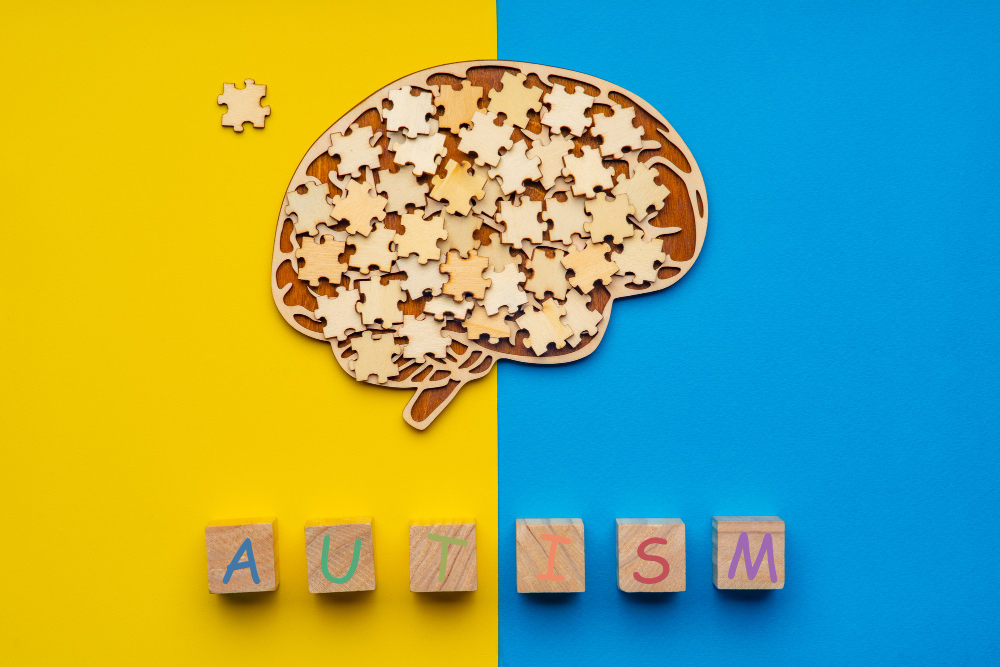
Autism, also called Autism Spectrum Disorder (ASD), affects how a person communicates and interacts with others. People with autism may have unique ways of learning, moving, or paying attention. Often, symptoms appear before age three. However, they can last throughout life.
For example, a child with autism may avoid eye contact or repeat the same phrase often. According to the CDC, about 1 in 36 children in the United States is diagnosed with autism.
What is ADHD?
ADHD stands for Attention-Deficit/Hyperactivity Disorder. This condition affects attention, self-control, and activity levels. Usually, symptoms start in early childhood. But, they can continue into adulthood.
For instance, a child with ADHD may have trouble sitting still or following instructions. The CDC reports that about 9.8% of children in the United States have been diagnosed with ADHD.
Key Behavioral Differences Between Autism and ADHD
Although autism and ADHD can look similar, there are clear differences. Both may cause trouble with focus or social skills. Yet, the reasons and behaviors are not the same.
Because of these differences, counseling assessments for autism and ADHD must look at many behaviors.
Importance of Counseling Assessments
Counseling assessments help professionals understand each person’s unique needs. Early assessment can lead to better support and outcomes. Moreover, it helps families find the right resources. Without proper assessment, children may not get the help they need. Therefore, accurate diagnosis is key for treatment and support.
Types of Counseling Assessments Used
Professionals use several tools to assess autism and ADHD. Each tool looks at different behaviors and skills. Here are some common assessment tools:
Additionally, some assessments may include medical exams to rule out other causes.
How Professionals Distinguish Between Autism and ADHD
Professionals look for patterns in behavior. They use counseling assessments for autism and ADHD to spot key differences. For example, they may notice if a child repeats actions or struggles with social cues. They also check for attention problems or impulsive actions. By combining information from tests, interviews, and observations, they can make a clear diagnosis. Sometimes, a person may have both conditions. In that case, professionals plan care for both.
Guidance for Families and Individuals
If you notice signs of autism or ADHD, seek help early. Talk to your doctor or a mental health professional. Early counseling assessments can guide you to the right support. Here are some tips for families:
Remember, every child is unique. Support and understanding can make a big difference.
Prevention and Early Intervention Tips
While you cannot always prevent autism or ADHD, early action helps. Early intervention can improve skills and quality of life. Here are some helpful steps:
With early support, children can reach their full potential.
Conclusion
In summary, “Autism vs. ADHD: Counseling Assessments for Behavioral Differences” is a key topic for families and professionals. Understanding the differences helps guide care and support. If you have concerns, consult Dr Sailaja Pisapati for personalized assessment and guidance.